

Top market forecasts news from the world
Provided by AGP
The 'Utility-Wage Gap': How Southwest Virginia is Navigating a 158% Surge in Energy Costs Amid National Grid Stress
Cosmo Solaris Logo
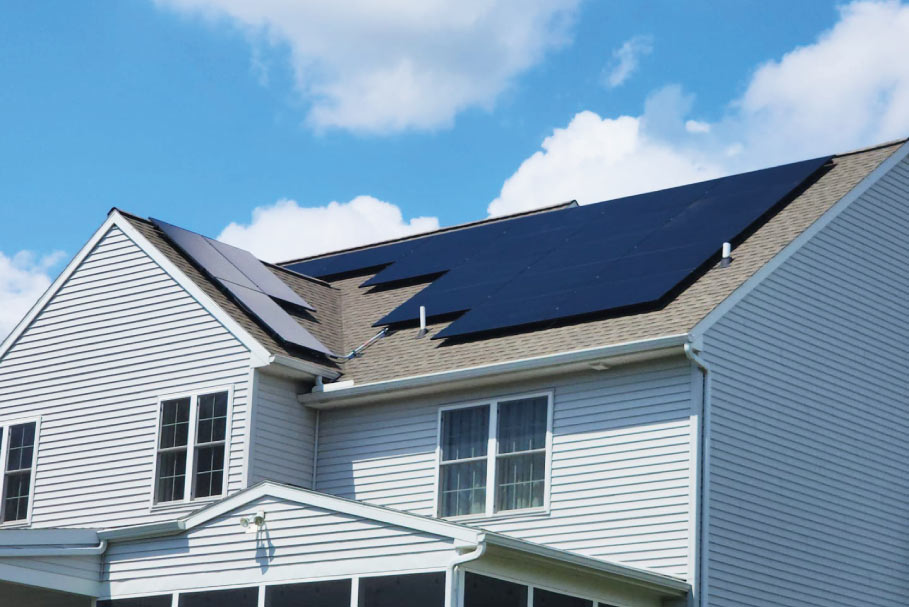
Deep blue solar panels stand out in sharp relief against the light gray of the house siding and the soft whites of the cumulus clouds.
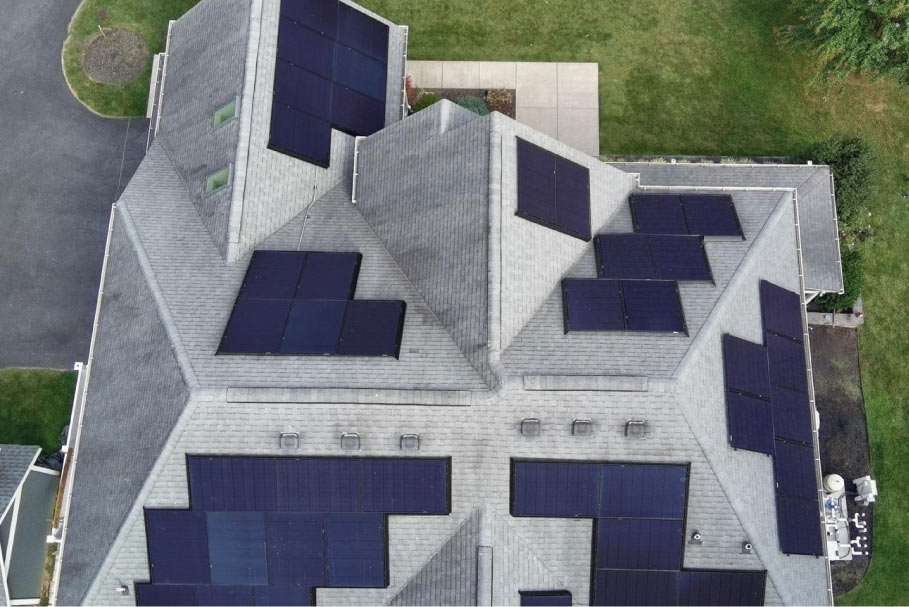
A top-down perspective reveals the geometric patterns and efficient layout of this complex residential solar installation.
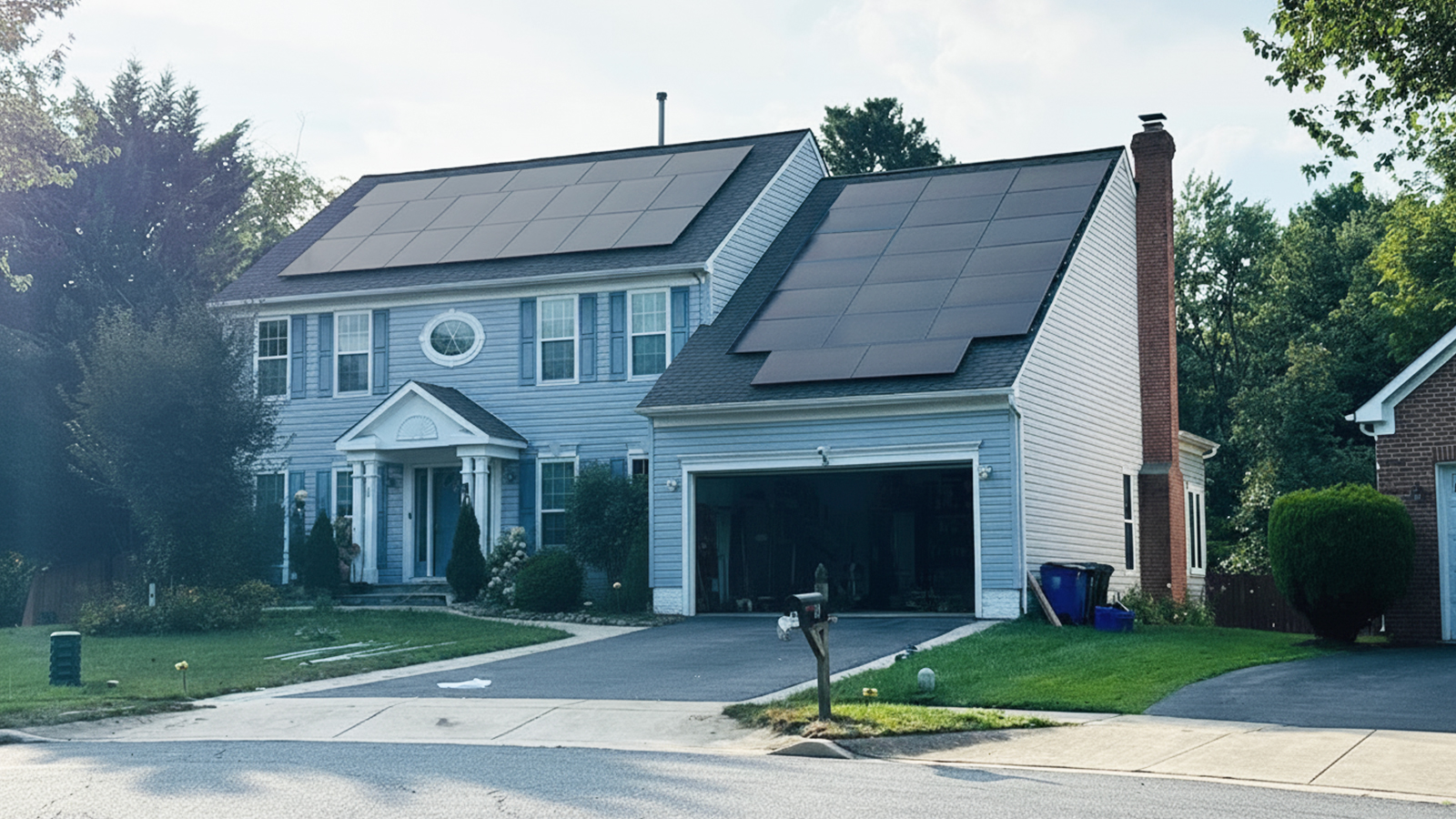
An Abingdon, VA residence equipped with a high-efficiency photovoltaic system. As utility rates in Southwest Virginia outpace regional wage growth, localized energy generation is becoming a standard feature for homeowners seeking long-term fiscal stabilit
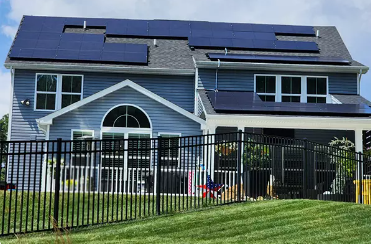
This residential solar energy installation allows Abingdon homeowners to achieve grid independence. As Virginia energy rates climb, high-efficiency solar arrays like this one provide a permanent hedge against utility spikes and shifting net metering rules
The "30% Gap": How Virginia’s Solar Sector is Self-Correcting After the 2026 Expiration of Federal Energy Incentives.
Empowering homes and businesses with affordable, reliable solar solutions to reduce energy costs and environmental impact for a greener future.”
— Zayn Malick
ABINGDON, VA, UNITED STATES, April 1, 2026 /EINPresswire.com/ -- As national economic headlines focus on cooling inflation, a divergent reality is taking hold across the Appalachian Highlands. While the Consumer Price Index (CPI) for standard commodities has stabilized, residential electricity rates in Southwest Virginia have decoupled from broader economic trends, creating a "utility-wage gap" that is fundamentally altering the regional real estate and financial landscape.
The Macro Shift: Energy as the New Inflation Driver
According to recent analysis by Clean Virginia and State Corporation Commission (SCC) filings, residential rates for Appalachian Power (APCo) customers have increased by a staggering 158% since 2007. This rate of growth is more than triple the pace of standard inflation and significantly outstrips regional wage growth. For the average household in Washington County and surrounding areas, the monthly utility bill has transitioned from a manageable service fee to a primary line-item expense, often rivaling property taxes in monthly fiscal impact.
The drivers behind this surge are not localized to Virginia but are symptomatic of a broader North American grid crisis. A 2026 report from the North American Electric Reliability Corporation (NERC) highlights a "reliability deficit" as the grid struggles to balance the retirement of legacy fossil fuel plants with the exponential demand from high-energy industries.
Virginia currently faces a unique energy challenge: the "Data Center Paradox." While the Commonwealth serves as the world’s hub for digital infrastructure, the demand growth from Northern Virginia’s data centers—increasing at 3.1% annually, triple the national average—is putting unprecedented strain on the PJM Interconnection grid.
This regional demand surge triggers "capacity charges" and transmission upfit costs that are distributed across the ratepayer base. For residents in Southwest Virginia, this means paying for a grid expansion driven by a technology boom hundreds of miles away. As wholesale electricity costs in the PJM region surged over 40% in the last 18 months, the financial burden has shifted squarely onto the shoulders of rural homeowners.
The Regulatory Sunset and the Net Metering "Grandfathering" Window
Adding to the urgency is a shift in the regulatory environment. For years, Virginia’s "1:1 Net Metering" laws have allowed homeowners to trade energy with the grid at a retail-to-retail rate, effectively using the utility as a giant, free battery. However, following the lead of neighboring West Virginia and Texas, Virginia’s investor-owned utilities have petitioned the SCC to restructure these credits.
The proposed transition toward "Avoided Cost" billing or "Net Billing" models could reduce the value of exported solar energy by nearly 50%. This creates a critical "Grandfathering Window" for 2026. Homeowners who secure their systems under current statutes are typically locked into legacy rates for decades, whereas late adopters may face a significantly longer path to energy solvency.
From Consumption to Prosumption: The Rise of the "Energy Island"
In response to this volatility, a new economic class is emerging in Abingdon: the "Energy Prosumer." This trend reflects a move away from total grid dependence toward "Residential Autonomy." By integrating high-efficiency photovoltaic systems with localized battery storage, homeowners are effectively "fixing" their energy costs, insulating themselves from the next 20 years of utility rate cases.
The financial incentive for this pivot has been further bolstered by the 2026 maturation of federal incentives under the Inflation Reduction Act (IRA), which continues to provide a 30% investment tax credit. When combined with Virginia’s specific property tax exemptions for renewable energy, the "payback period" for residential systems has reached a historic low, even as the cost of grid-supplied power reaches a historic high.
Market Expert Analysis: The Local Perspective
While the macro-economic data provides the "why," the logistical "how" is being managed by regional firms tasked with bridging the gap between federal policy and local infrastructure.
"The math of homeownership in Virginia has changed," says Taha Masood, Founder of Cosmo Solaris, an Abingdon-based energy strategy firm. "We are no longer discussing 'going green' for environmental merit alone. We are discussing the mitigation of a volatile, uncapped monthly expense. When you look at a 158% rate increase over 15 years, 'waiting' becomes the most expensive option a homeowner can choose."
Waleed Iqbal, co-founder of Cosmo Solaris, emphasizes the importance of infrastructure longevity in this high-inflation environment. "In a market where the grid is showing visible signs of stress, the quality of the 'behind-the-meter' asset is everything. A 30-year production guarantee is effectively a 30-year hedge against energy inflation. Our role is to ensure that the transition to autonomy is frictionless, handling everything from HOA approvals to complex permitting within a standard 8-week window."
As the SCC deliberates on the next round of rate increases—projected to add another $6.63 to the average monthly bill starting in 2026—the trend toward decentralized energy generation appears to be less of a trend and more of a structural shift in the Virginia economy. For the residents of Abingdon, the goal is no longer just to power a home, but to own the power that makes the home viable.
About Cosmo Solaris
Headquartered in Abingdon, Virginia, Cosmo Solaris is a premier provider of residential energy independence solutions across the Mid-Atlantic and Southern United States. Specializing in high-performance solar integration and battery storage, the firm provides a turnkey approach to energy autonomy, including a comprehensive 30-year workmanship and equipment warranty. Cosmo Solaris serves homeowners across Virginia, West Virginia, North Carolina, Maryland, Pennsylvania, Ohio, New Jersey, Texas, and the District of Columbia.
Luis Chavez
Chavez Web Design, LLC
email us here
Save Big on Electricity Bills with Cosmo Solaris!
Legal Disclaimer:
EIN Presswire provides this news content "as is" without warranty of any kind. We do not accept any responsibility or liability for the accuracy, content, images, videos, licenses, completeness, legality, or reliability of the information contained in this article. If you have any complaints or copyright issues related to this article, kindly contact the author above.
